Do Tree Stumps Attract Termites In Townsville? What Homeowners Need To Know
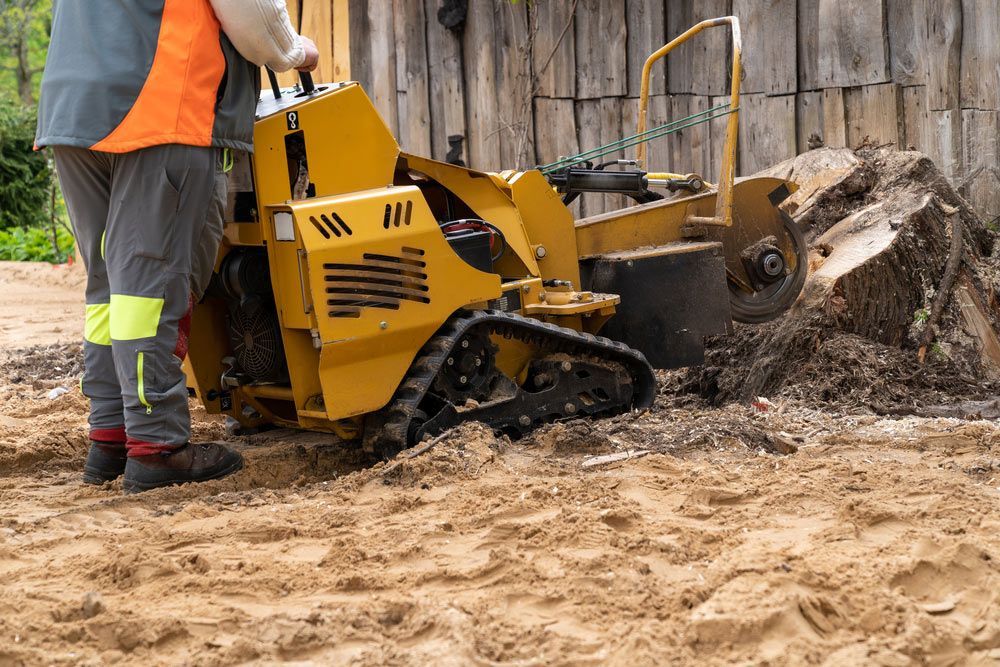
Tree stumps left in the ground pose a silent risk to properties across Townsville. In a tropical climate, organic material breaks down quickly, moisture levels stay elevated for long periods, and these conditions create an ideal environment for termites to thrive. Stump grinding in Townsville is one of the most effective ways to eliminate this risk before it becomes a costly problem. For homeowners and landlords, it is not simply a matter of appearance; tree stump removal in Townsville is a practical step in protecting your property from termite activity.
Why Tree Stumps Appeal to Termites
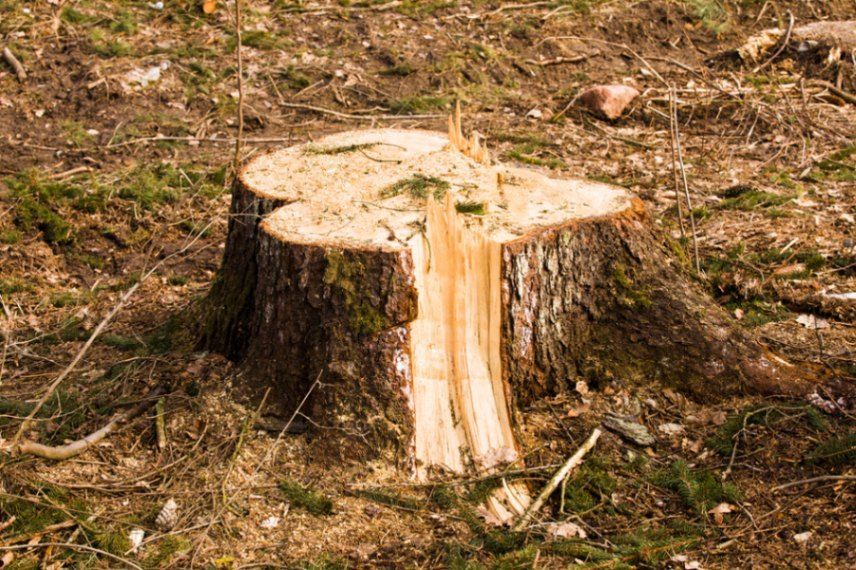
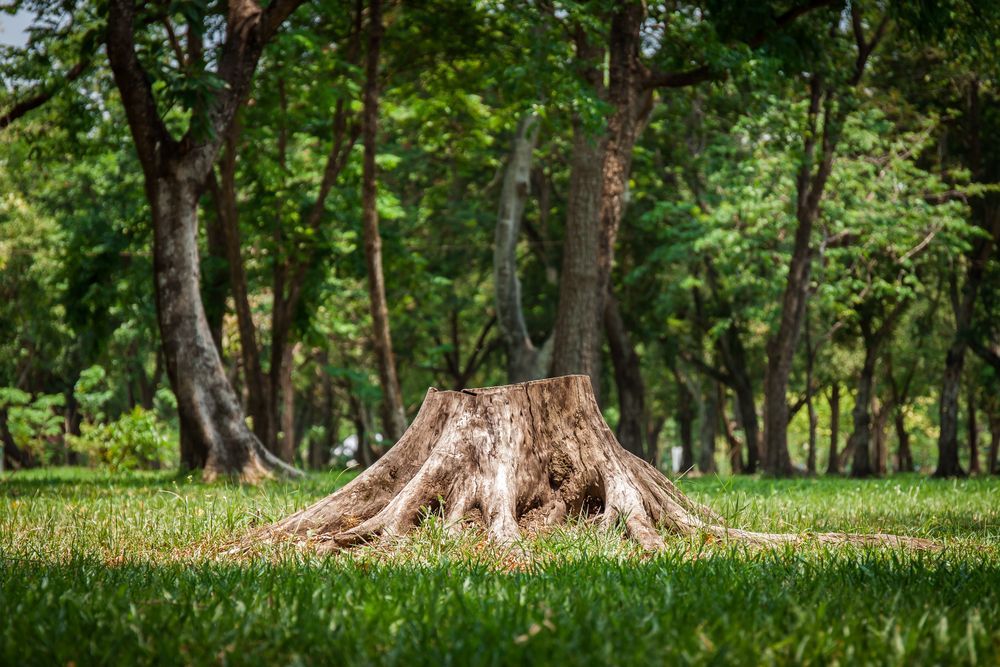
Termites feed on cellulose found in wood. A leftover stump provides a steady, undisturbed food source right in your yard. Over time, as the timber softens and decays, it becomes even easier for termites to access.
Key reasons stumps attract termites include:
- Constant moisture retention in the soil
- Decaying wood that is easy to consume
- Minimal disturbance compared to structural timber
- Direct ground contact, allowing hidden access
Once termites establish themselves in a stump, they do not stay contained. They expand their network. Nearby structures, including homes, fences and sheds, can become the next target.
Townsville's Climate and Termite Risk
Townsville's tropical climate plays a major role in termite activity. Warm temperatures and seasonal rainfall create the perfect breeding and feeding conditions.
Factors that increase risk in this region:
- High humidity levels throughout much of the year
- Wet seasons that saturate soil and timber
- Warm ground temperatures that support colony growth
- Dense vegetation in residential areas
These conditions allow termite colonies to grow quickly. A small infestation can develop into a serious structural issue if left unchecked.
In this environment, even a single tree stump can act as a starting point for termite movement across your property. Effective termite prevention in Townsville starts with removing the conditions that allow colonies to establish in the first place.
How Termites Move from Stumps to Homes
Termites do not need direct exposure to travel. They build mud tubes and underground tunnels to stay protected while searching for food.
A typical pathway includes:
- Establishing a colony in a stump or buried root system
- Expanding underground tunnels through moist soil
- Reaching nearby timber structures without detection
- Entering homes through cracks, joints or subfloor areas
This process often happens without visible signs. By the time damage appears, termites may have been active for months or even years.
Signs a Tree Stump May Be Harbouring Termites
Not all stumps will attract termites, but some warning signs suggest increased risk.
Look for:
- Hollow or soft wood when tapped
- Mud tubes on or around the stump
- Small piles of soil or debris near the base
- Increased insect activity in the surrounding area
Even if these signs are not visible, the risk remains. Termites can remain hidden within the wood and soil.
Why Removing Stumps Is a Smart Preventative Step
Leaving a stump in place increases the chance of termite activity near your home. Stump removal in Townsville reduces a key food source and disrupts potential nesting areas before colonies have a chance to spread.
Benefits of stump grinding include:
- Eliminates decaying timber below ground level
- Reduces moisture retention in the immediate area
- Limits access points for termite colonies
- Improves overall yard hygiene and safety
Stump grinding does not just remove what is visible. It addresses the root system beneath the surface, where termites often begin their activity.
Stump Grinding Townsville: A Practical Solution
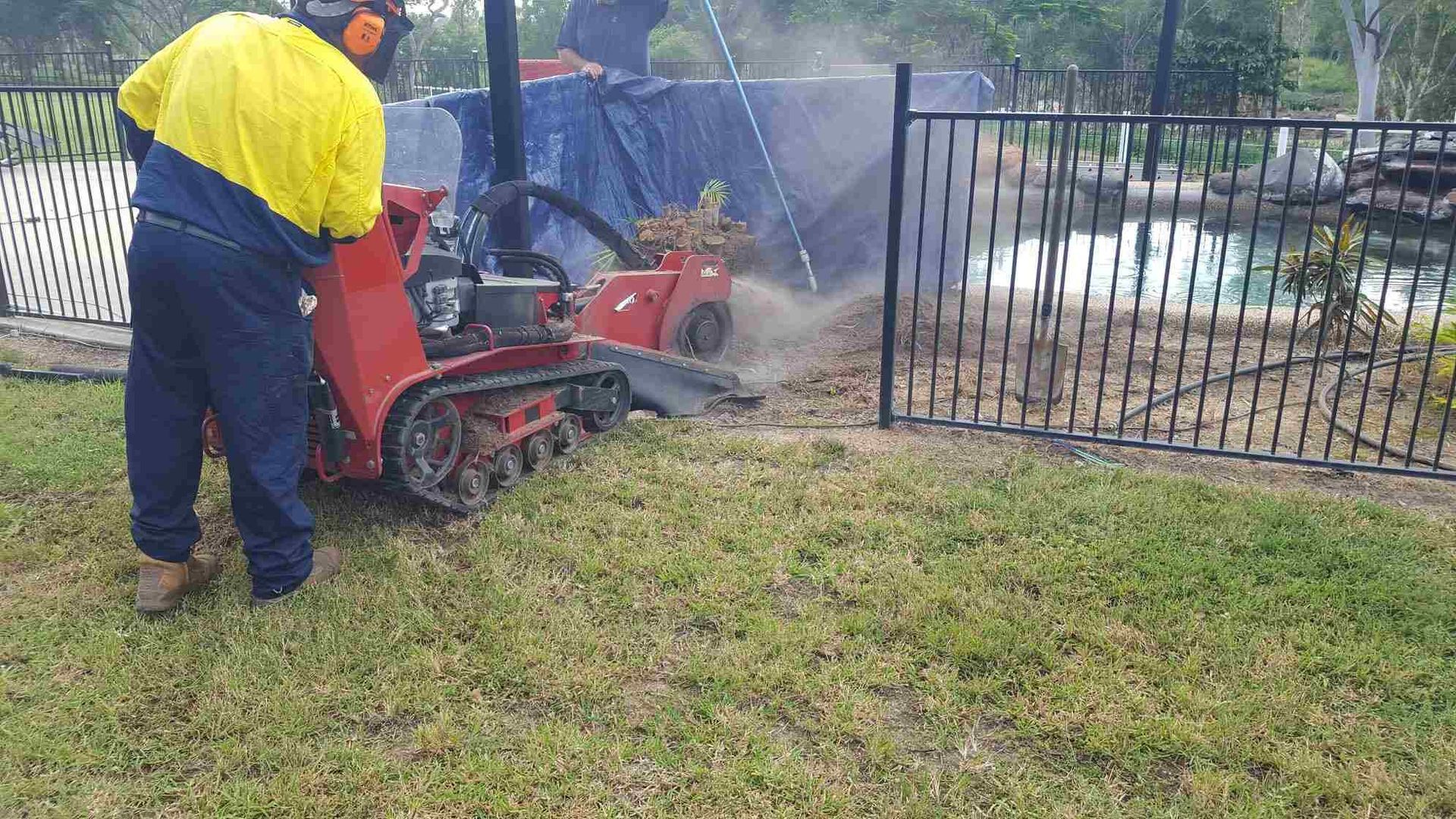
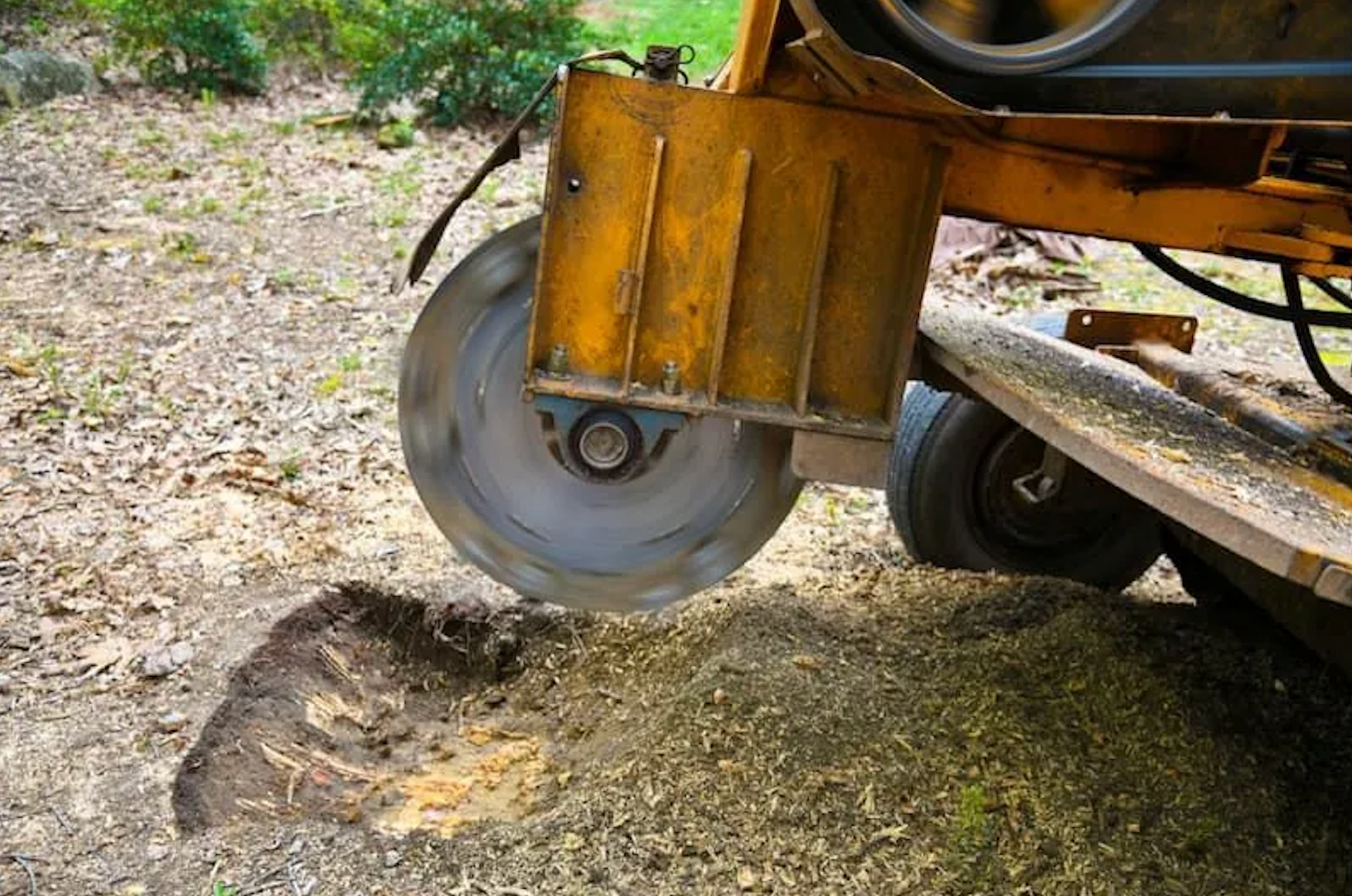
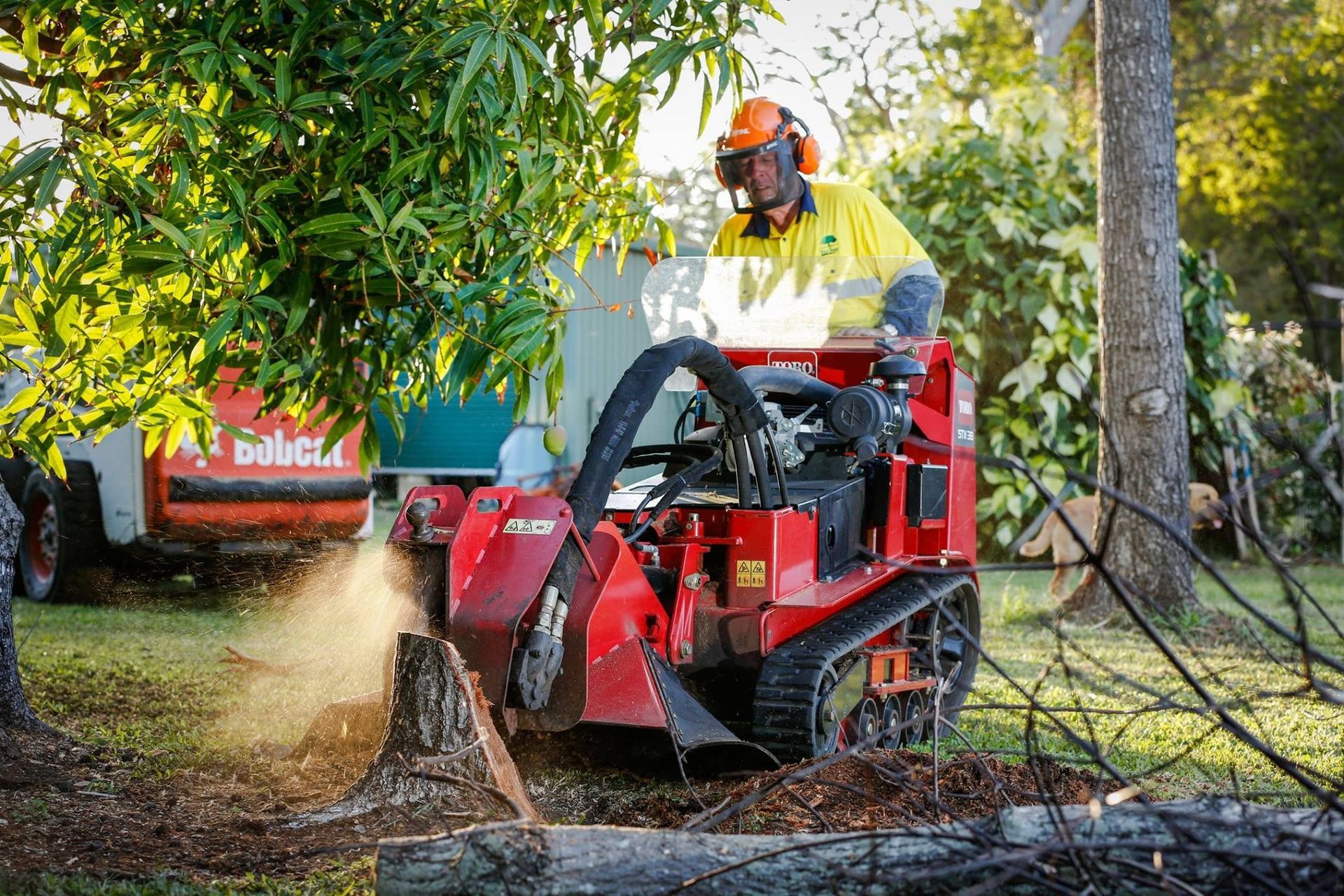
Professional stump grinding in Townsville is designed to handle local soil conditions and tree species. Equipment grinds the stump down below ground level, allowing the area to be safely reused or landscaped.
What the process involves:
- Assessing the stump size and location
- Grinding timber into mulch below soil level
- Removing or redistributing debris
- Leaving the area ready for soil or turf
This approach is efficient and avoids major excavation. It also minimises disruption to surrounding structures and gardens.
Compliance with Local Property Care Standards
In Queensland, property owners have a responsibility to manage risks that may impact building safety. While tree stump removal is not always a legal requirement, failing to address termite risks can lead to costly damage.
Best practice aligns with:
- Regular termite inspections
- Removal of excess timber and organic debris
- Maintaining clear space around structures
- Managing moisture near foundations
Stump grinding supports these measures and forms part of a broader termite prevention strategy for Townsville properties.
Additional Steps to Reduce Termite Risk
Removing stumps is one part of protecting your home. A layered approach works best in Townsville conditions.
Consider these steps:
- Keep garden beds well drained
- Avoid storing timber against external walls
- Ensure proper ventilation in subfloor areas
- Fix leaks and manage water runoff
- Schedule routine pest inspections
Each action reduces the likelihood of termites establishing close to your property.
When to Act
The best time to arrange stump removal is soon after tree removal. Delaying increases the chance of decay and termite activity.
Situations where prompt action is important:
- Stumps located close to the house
- Multiple stumps or buried roots on the property
- Previous termite activity in the area
- High moisture or poor drainage conditions
Early removal reduces long term risk and avoids more complex issues later.
How Much Does Stump Grinding Cost in Townsville?
The cost of stump grinding in Townsville depends on several factors, including the size and diameter of the stump, how many stumps need to be removed, access to the area, and whether debris removal is included. Larger stumps with extensive root systems naturally take longer to grind and will reflect that in the price. Properties with difficult access, such as stumps located in tight spaces or near structures, may also affect the overall cost.
As a general guide, a single standard residential stump in Townsville can range from a few hundred dollars upward, with multi-stump jobs often offering better value per stump. The most reliable way to get an accurate figure is through a free on-site assessment, where the full scope of the job can be evaluated. Tree stump removal in Townsville should always be quoted based on the specific conditions of your property rather than a flat rate. Not sure whether stump grinding or full stump removal is the right option for your property? Read our guide to stump grinding vs stump removal to find out which approach suits your situation.
Compared to the potential cost of termite damage, which can run into thousands of dollars in structural repairs, professional stump removal is a cost-effective preventative measure for any Townsville homeowner or landlord.
Protect Your Property with Professional Stump Grinding
Tree stumps may seem harmless, but in Townsville's climate, they can contribute to serious termite problems. Prompt tree stump removal in Townsville is a simple, effective step in protecting your home or investment property.
For reliable stump grinding Townsville services, Tree Change NQ offers practical solutions suited to local conditions. Each job is handled with care, ensuring minimal disruption and long term benefits for your property.
Take the Next Step
Arrange a professional assessment and remove potential termite risks before they develop. Contact the Tree Change NQ team today to book a stump grinding service or request a quote.